Regardless of whether you’ve read the classic innovation mantra of Blue Ocean strategies, one thing you can’t deny is imagining what it would be like to work in that type of climate. And if it’s a startup, well it can be quite captivating to hear all about futuristic visions, but it’s another thing to live it. As a female executive who’s made it to the C-Suite and actually experienced the journey towards a blue ocean, I can tell you it is not for the faint of heart! Sure Google, Tesla, Uber and others have succeeded but they are rare. Contrary to what people think, it does not happen overnight.
My story goes like this. For years, a struggling start-up company that had once achieved hyper-growth success was trying to find its way back. It had a novel, innovative technology platform, but was stuck. It could have been a function of incrementalism or reactions to competitive forces. Most executives have seen fierce competition – where big players acquire little ones, where margins diminish as clients squeeze for better prices and where many start to question whether the technology is really that good. Fighting back is typically the first response to such a big problem. We certainly did and won– which felt great – but only for a short time. It isn’t enough to beat the competition at their own game. To really win, you need to make competition irrelevant, as Blue Oceans thinkers will tell you. So with a small and declining market, business intelligence, price sensitivity and investor impatience, we had no choice but to take a blue ocean strategy.
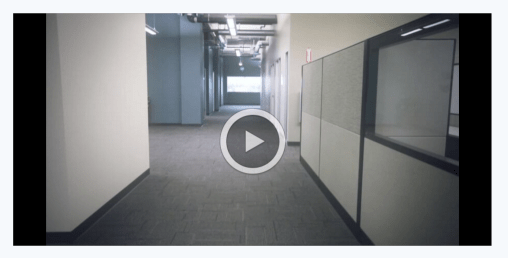
We used the word innovation a lot. In hindsight, we were just making incremental changes – better features, bolder statements and bigger units. But, what happens when you start changing everything from the inside out. As the Chief Marketing Officer, I proposed a total re-haul of our identity to the CEO. Side-by-side, we drove a cultural change. Starting slow, we created a new vision, mission and mantra for the company based on asking ourselves – Who are we? And who do we want to be? Our goal was to revive the culture. By painting the walls and branding the inside of the building with strategic messaging, producing a choreographed company video with employees as dance stars, and launching an innovation program where anyone could be nominated to receive the top-prized award (and get the best parking spot in the building) there were signs of traction. It was exhilarating when people spoke up. Attentive senior executives lunched with junior employees and a reprieve from long workdays was offset by a real gym and yoga studio.
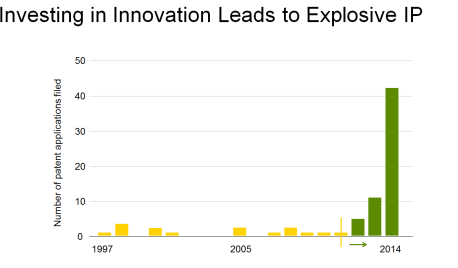
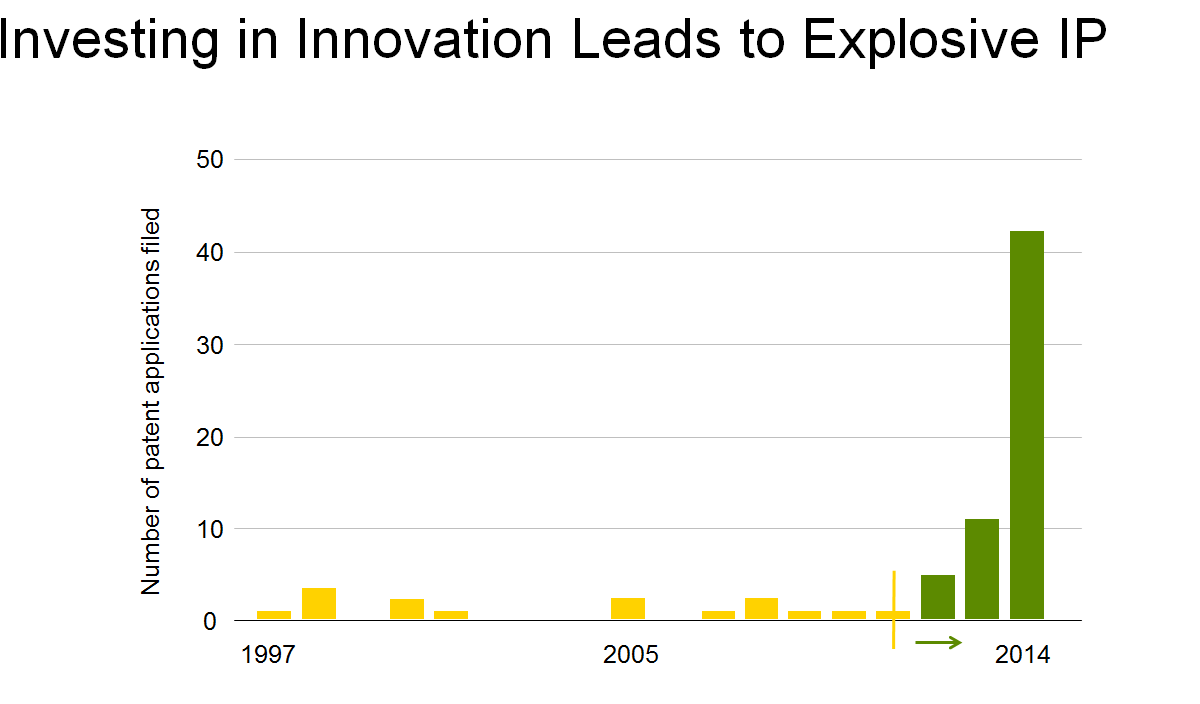
Now it was time to look outward. With our sights on much larger addressable markets, we were surrounded by Red Ocean companies wanting “me-too” products. Our plan was firmly grounded in blue ocean thinking, so we invested heavily to make it a reality. The new culture attracted brilliant engineers with great ideas and technical muscle. We examined our technology inside out, upside down and backwards. We built a world-class engineering department. I demanded high-energy strategic marketing that discovered new markets and worked closely with R&D to design new products. That alone enabled us to file for more patents in 2 years than in the company’s 20 year history.
We delved deep into researching and understanding new markets in oil and gas and chemicals. We created systems based on sophisticated value creation. The new value propositions focused on capturing value rather than cost-effectiveness. It took a while to realize success – arduous meetings and training sessions, detailed client feedback, and rigorous testing, were par for the course.
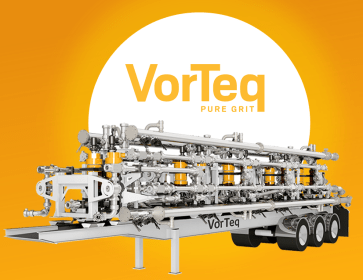
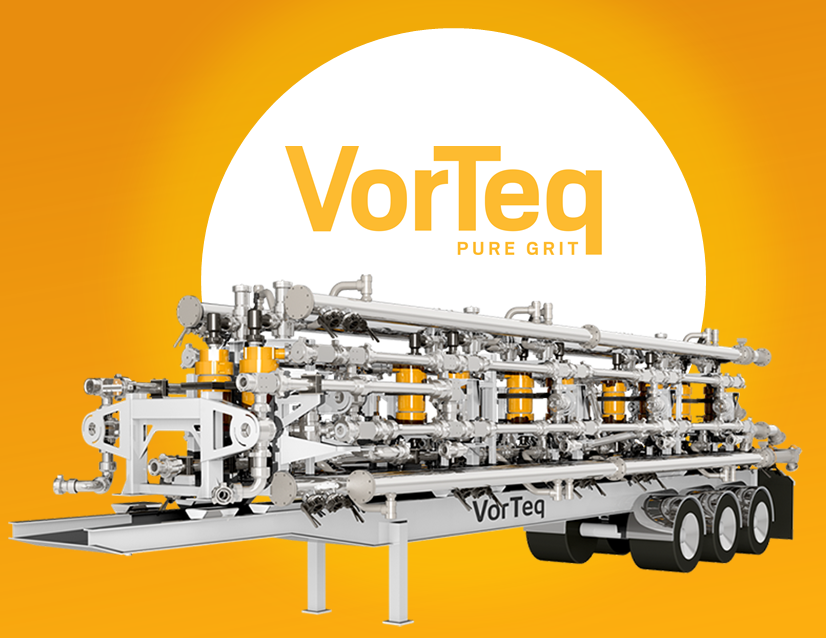
The culmination of the hard work we put in during those longest 4 years finally enabled us to develop a true blue ocean technology that would transform the hydraulic fracking industry. The VorTeq product launched earlier this year radically changes the economics of upstream oil and gas services. And world-class, industry-dominating companies like Schlumberger (NYSE: SLB) see it. The $125M licensing deal with the world’s leading oil and gas company announced this month validated the vision put forth years prior. As a result of blue ocean thinking, Energy Recovery’s value tripled – with shares up close to 200%! Some believe that the VorTeq will also transform other industries once it’s widely adopted.
Without a doubt, I feel that the work my team and I struggled to make a reality played a key role in the company’s success. Throughout my career, I’ve run multiple projects and admit this was by far the most rewarding. It was fun and exhilarating as well as daunting and painful.
“If there’s one lesson and major take-away from my experience, it’s this: Working with the right people at the top – in this case the CEO and Chairman of the Board is vital. Those who have guts, determination and insight to make companies better than they think they are.”
Those who inspire and rally employees around a vision, who take smart calculated risks and invest in the things that matter – people and big thinking – are leaders who create value for everyone involved. And for me, that’s what I’m looking for when I take my place at the next great company.
References: VorTeq video, Energize video, $125M Schlumberger – Company Stock up 160%


 Bold Marketing